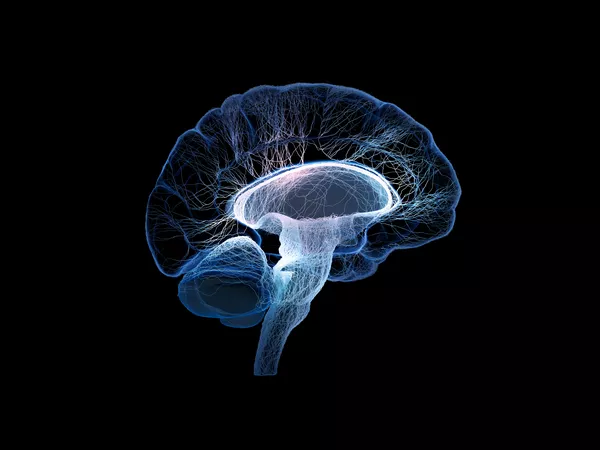
Brain metabolism underpins nearly every aspect of neuronal function, from synaptic transmission and plasticity to cell survival and repair. The brain is one of the most metabolically demanding organs in the body, yet its energy reserves are minimal, making it acutely vulnerable to metabolic disruption. Disturbances in key metabolic pathways, including mitochondrial bioenergetics, NAD⁺ homeostasis, and nutrient-dependent signalling, have been increasingly linked to the onset and progression of a wide range of neurological conditions, such as stroke, vascular dementia, neurodegeneration, and age-related cognitive decline.
Despite significant advances, the mechanistic relationships between brain metabolic dysfunction and neurological disease remain incompletely understood. Factors such as cell-type-specific responses to metabolic stress, the role of dietary nutrients across the lifespan, and the interplay between mitochondrial dynamics and neuroinflammation represent critical yet underexplored frontiers. Addressing these gaps requires integrative approaches that bridge cellular bioenergetics, nutritional neuroscience, and translational disease modelling. This Research Topic brings together experts in neuroenergetics, mitochondrial biology, stroke, neurodegeneration, and nutritional neuroscience to advance our collective understanding of how metabolic processes shape brain health and disease.
This Research Topic welcomes original and review contributions addressing the following themes: o Mitochondrial dynamics and brain injury: cell-type-specific responses of neuronal and glial cells mitochondria to ischemia, excitotoxicity, oxidative stress, and other pathological stressors o Glycolysis and pentose phosphate pathway in neurological disease: the role of glycolytic and pentose phosphate pathway modifications in cerebral disorders and their contribution to neuronal dysfunction and disease progression o NAD⁺ metabolism and neuroprotection: the role of NAD⁺ depletion in cell death, and therapeutic strategies using NAD⁺ precursors (e.g., NMN, NR) to limit neuronal loss o Bioenergetic failure in neurodegeneration: mitochondrial dysfunction as a driver of Alzheimer’s disease, Parkinson’s disease, Huntington’s disease, amyotrophic lateral sclerosis (ALS), and related conditions o Nutrition and brain metabolism: how dietary factors, including B vitamins, folate, and methyl donors, influence metabolic pathways relevant to stroke recovery, vascular dementia, and neurodevelopment o Metabolic contributions to stroke and vascular disease: mechanistic and translational studies linking cerebral metabolic dysregulation to stroke outcomes and vascular cognitive impairment o Lifespan perspectives on brain metabolism: how metabolic vulnerabilities evolve from prenatal neurodevelopment through aging, and their implications for disease risk o Post-translational modifications and metabolic regulation: protein modifications that control mitochondrial function and their relevance to neurological disease o Therapeutic and dietary interventions: preclinical and clinical evidence for metabolic interventions targeting neurological disease
We welcome Original Research, Reviews, Systematic Reviews, Methods, Perspectives, Hypotheses and Theory articles, and Case Reports, from both basic science and translational research teams.
Article types and fees
This Research Topic accepts the following article types, unless otherwise specified in the Research Topic description:
Brief Research Report
Case Report
Clinical Trial
Community Case Study
Data Report
Editorial
FAIR² Data
FAIR² DATA Direct Submission
General Commentary
Articles that are accepted for publication by our external editors following rigorous peer review incur a publishing fee charged to Authors, institutions, or funders.
Article types
This Research Topic accepts the following article types, unless otherwise specified in the Research Topic description:
Important note: All contributions to this Research Topic must be within the scope of the section and journal to which they are submitted, as defined in their mission statements. Frontiers reserves the right to guide an out-of-scope manuscript to a more suitable section or journal at any stage of peer review.